By Khaleeque Zaman | SEOScaleUp Updated: May 2026 | 9 min read
Most backlink checker comparisons are written by people who opened the free trial, clicked around for twenty minutes, and called it a review.
I’ve been doing link building and backlink audits across 120+ campaigns. I’ve used these tools on real client sites — e-commerce stores, SaaS products, local businesses, affiliate sites. I’ve seen what each one catches that the others miss. I’ve also seen where each one confidently shows you data that turns out to be wrong.
This is the honest version.
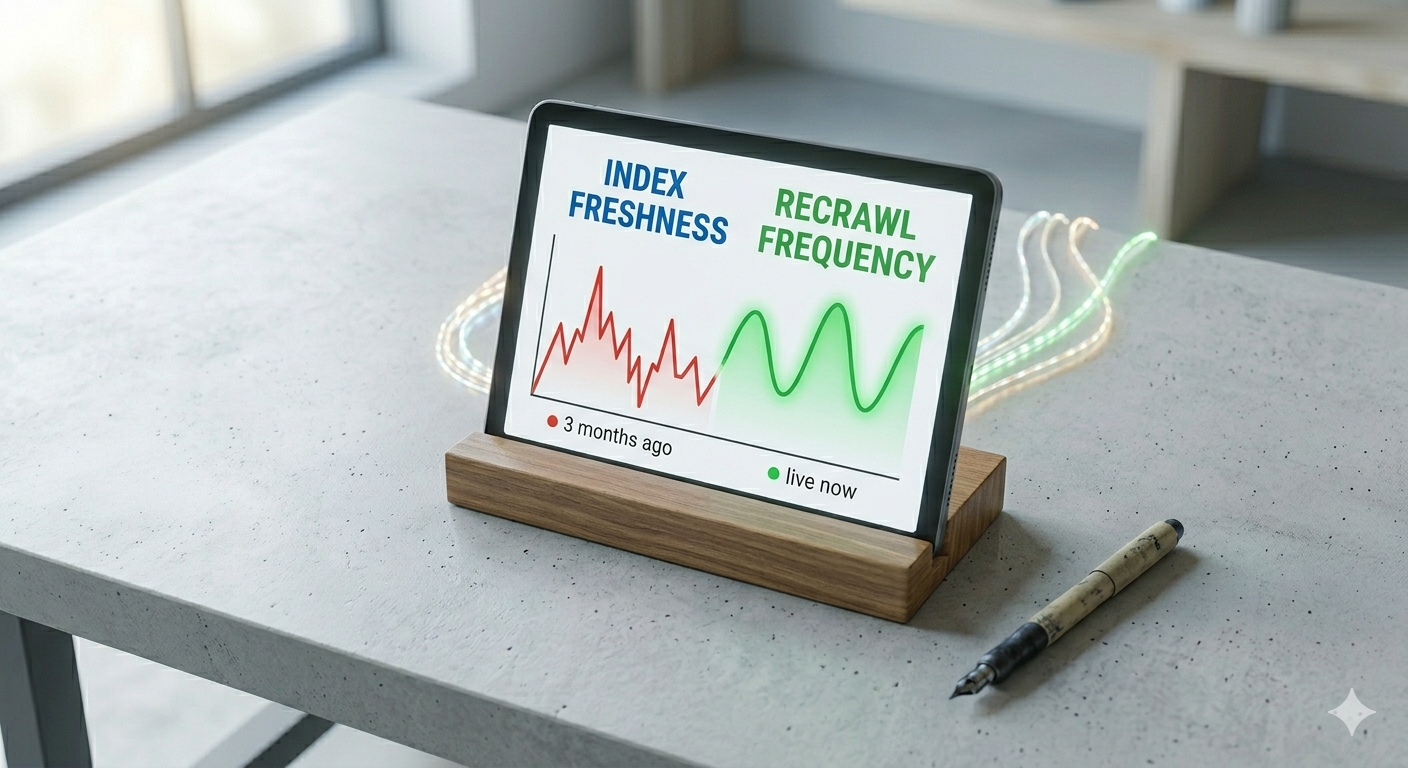
Before the list: backlink data is not as reliable as most tools make it look. Every checker on this list will show you a different number for the same domain. That’s not a bug — it’s because each tool runs its own crawler with different coverage, recrawl frequency, and index freshness. The right question isn’t “which tool has the most backlinks” — it’s “which tool gives me data I can actually make decisions from.”
What actually matters in a backlink checker in 2026
Index freshness. A backlink that was lost 3 months ago and still shows in your profile is worse than not showing it at all. You’ll make decisions based on link equity that isn’t there. Freshness matters more than raw index size.
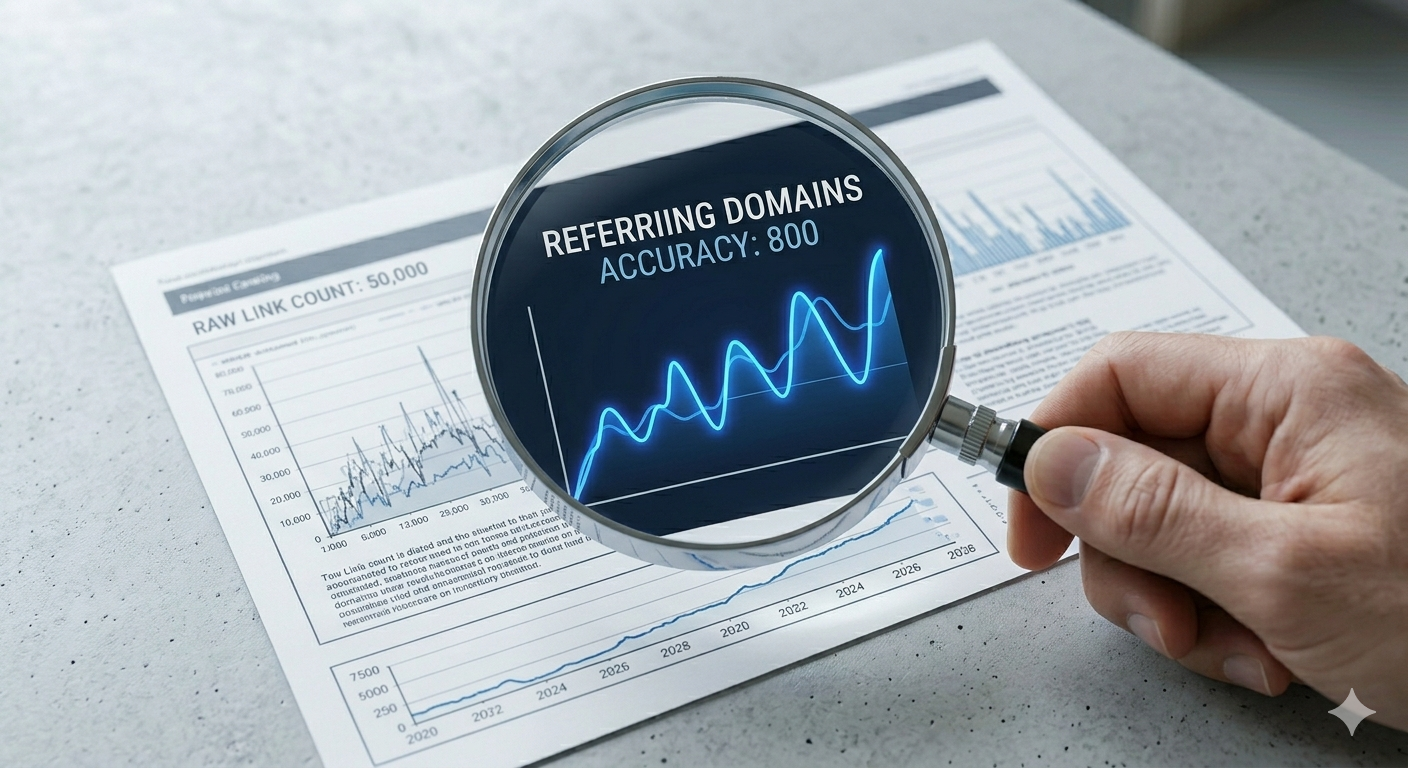
Referring domain accuracy over raw backlink count. 50,000 backlinks from 12 domains is less valuable than 800 backlinks from 800 different domains. Any tool that buries referring domains behind raw link counts is hiding the more important number.
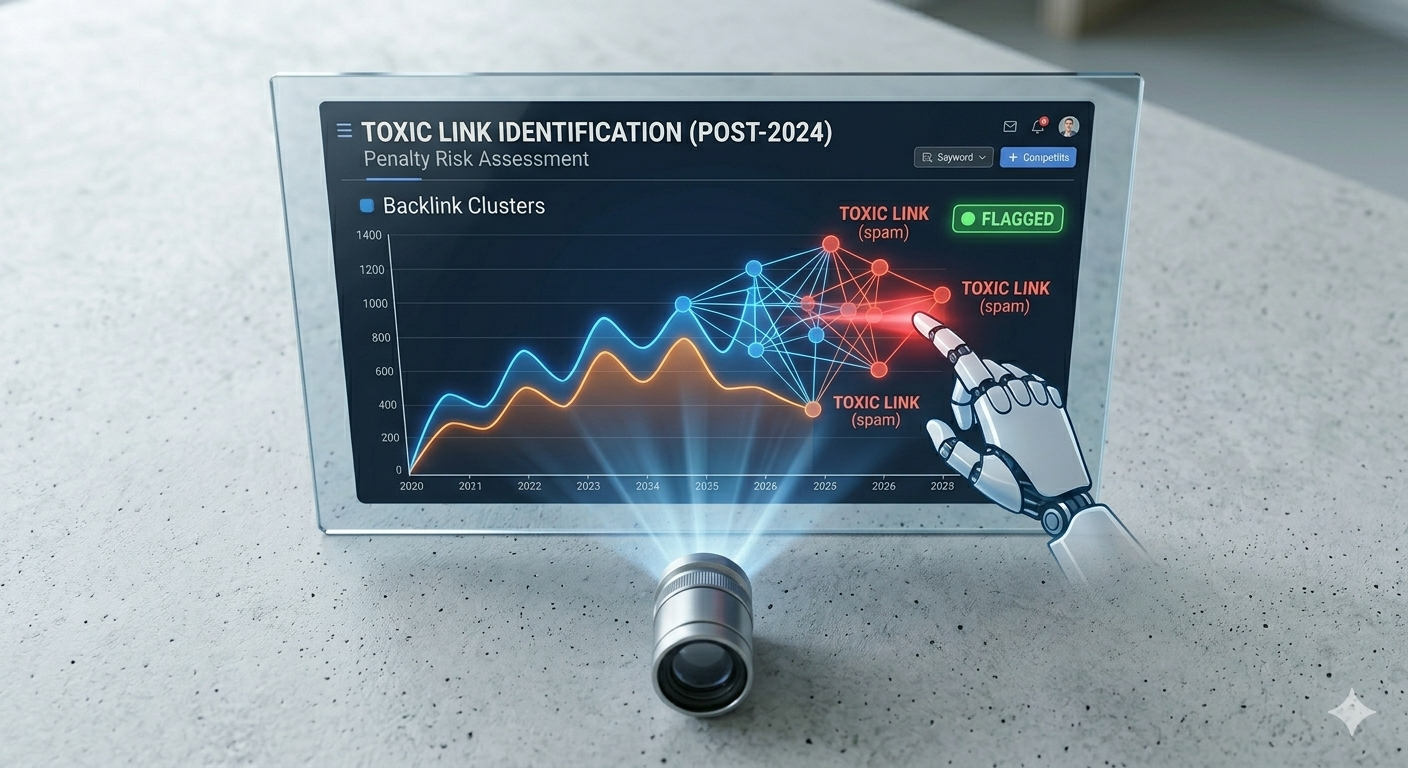
Toxic link identification. The ability to flag spammy, low-quality, or potentially harmful links matters more post-2024 than it did before. Not because Google’s manual penalty system is rampant — it isn’t — but because understanding your link profile quality helps you prioritise link acquisition correctly.
Lost link alerts. Links get removed, pages get 404’d, sites get deindexed. A backlink checker that only shows you what you have today, not what you’re losing in real time, is half a tool.
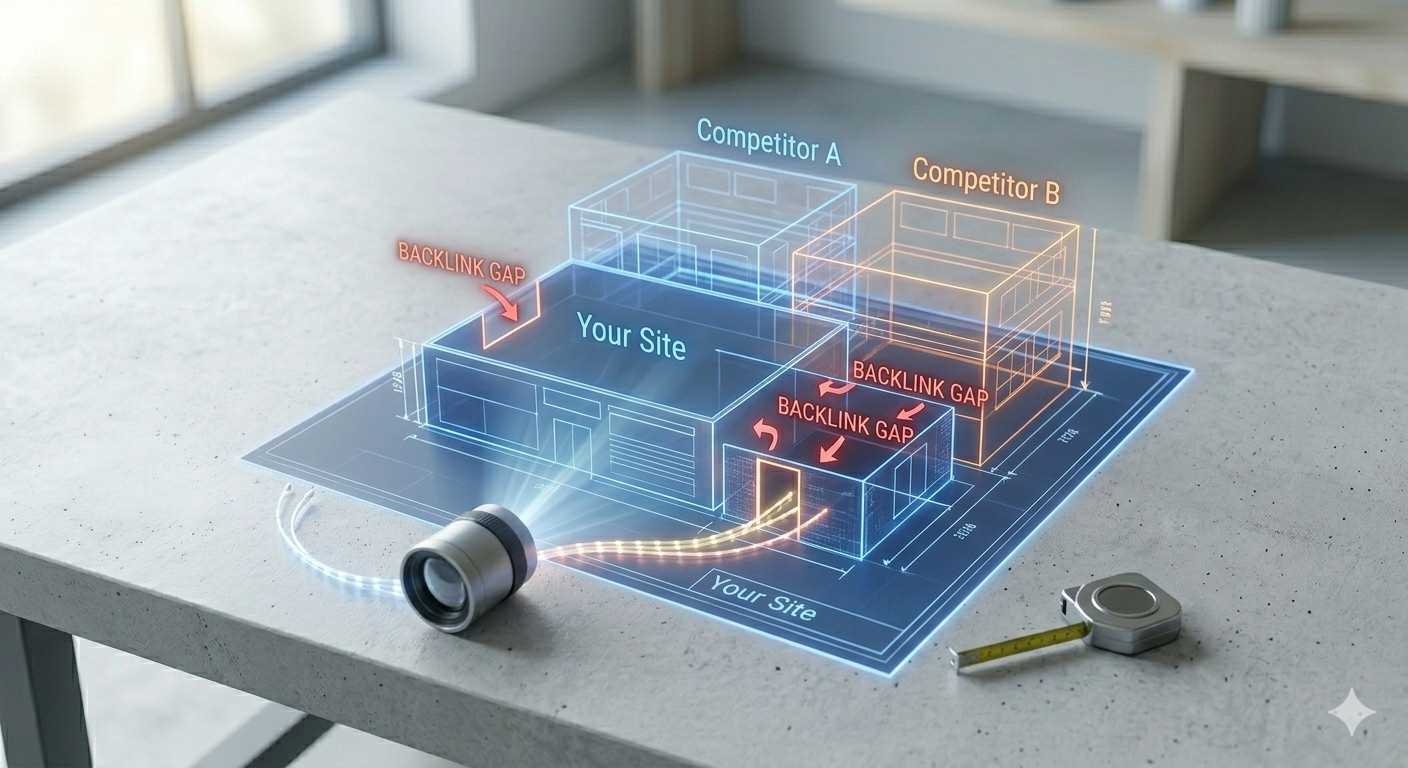
Competitor gap analysis. Finding links your competitors have that you don’t is often more valuable than any audit of your own profile. The best tools make this fast and filterable.
With that framing — here’s what I actually think of each tool.
1. SEOScaleUp — Best for backlink gap analysis connected to content architecture
Price: Free tools available | Paid plans available Best for: Identifying backlink gaps alongside content gaps, local SEO backlink work, smaller sites
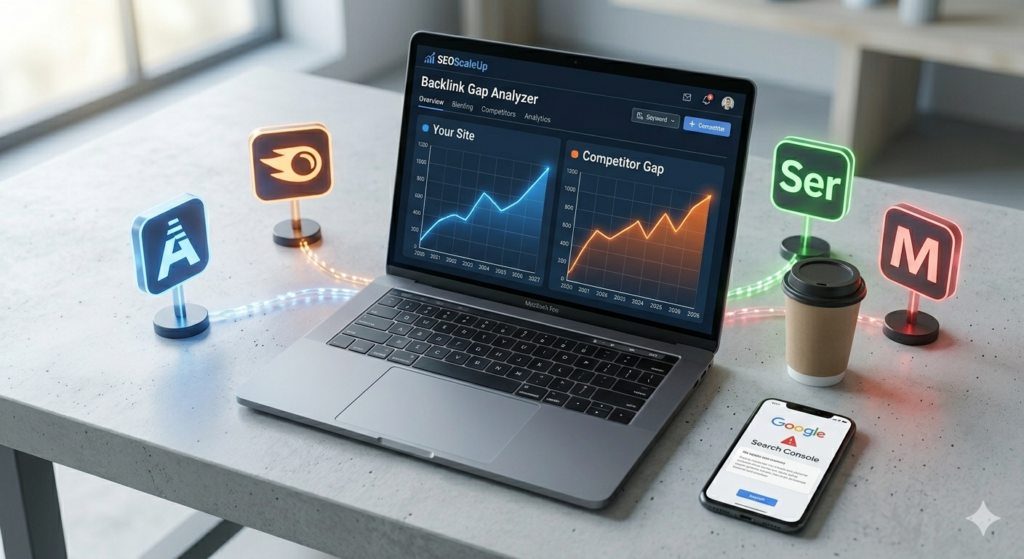
Full disclosure: I built SEOScaleUp. I’m including it here because it fills a specific gap that every other tool on this list ignores — and being honest about where it falls short.
The backlink gap analysis in SEOScaleUp works differently from a standard competitor backlink comparison. It surfaces link opportunities in the context of your content architecture — so you’re not just seeing “competitor X has links from these 400 domains you don’t have,” you’re seeing which specific pages or topics on your site are underlinked relative to how well they could rank with more authority.
That distinction matters for small to mid-sized sites. If you have a 50-page site and one of your most important pages has almost no external links pointing to it while a competitor’s equivalent page has 80 referring domains — that’s where you focus first. SEOScaleUp surfaces that gap in a way that connects to the content, not just the link count.
The Backlink Gap Analyzer also pairs with the Cannibalization Checker — useful because internal link equity and external link equity work together, and fixing cannibalization while building links to the right pages moves rankings faster than either fix alone.
Where it falls short: The backlink index depth doesn’t match Ahrefs or SEMrush at scale. If you’re doing enterprise-level competitor analysis across thousands of domains or tracking a massive link-building campaign with hundreds of new links per month, Ahrefs is the better choice for the raw data layer. Use SEOScaleUp for the strategic gap analysis and Ahrefs for the data depth.
Free tools: The backlink gap snapshot is available free. No credit card needed to test it.

2. Ahrefs — Best overall backlink database for serious link builders
Price: From $129/month | Free Webmaster Tools for verified site owners Best for: Deep link analysis, competitor research, link prospecting at scale
Ahrefs is the benchmark. In the State of Link Building survey, 68% of respondents named it as the most accurate and comprehensive backlink data provider. After years of using it on client sites, I don’t disagree.
The index size is staggering — around 35 trillion external backlinks from 494 million domains, with a live index that updates every 15–30 minutes. That freshness is what separates Ahrefs from most competitors. SEMrush updates its backlink index daily. Ahrefs updates continuously. When you’re monitoring a live link-building campaign, that difference shows up in the data within hours.
What Ahrefs genuinely does better than everything else:
The Site Explorer is the most comprehensive view of any domain’s link profile available. Referring domains filterable by DR, traffic, dofollow/nofollow status, anchor text, link type, first/last seen date. Historical data going back to 2013 for forensic-level audits on domains you’re considering buying.
The Link Intersect tool (competitor gap analysis) is the fastest way to find link opportunities. Enter your domain and 2-5 competitors, filter for domains linking to competitors but not you, sort by DR — your outreach list is ready in minutes.
Batch analysis of up to 200 URLs at once. For link prospectors vetting a large list of sites before outreach, this saves hours.
Where Ahrefs genuinely falls short:
No free trial anymore — just Webmaster Tools for your own site. Some users report that new links from smaller sites can take weeks to appear, despite the fast live index. The interface, while powerful, has a learning curve that catches people off guard when they upgrade expecting it to be intuitive.
For local SEO backlink work, Ahrefs works but isn’t optimised for it. For competitive local link gap analysis — which sites are linking to your local competitors but not you — it functions but you’ll want a local-focused layer alongside it.
My take: If link building is a significant part of your SEO workflow, Ahrefs is the non-negotiable tool. Start with the free Webmaster Tools to understand your own site’s link profile before upgrading.
3. SEMrush Backlink Analytics — Best for agencies needing backlinks inside a full platform
Price: From $139.95/month | 7-day free trial Best for: Full-service agencies, toxic link analysis, link building with PPC integration
SEMrush has the largest raw backlink index of any tool — 43 trillion links from 390 million domains. In terms of raw numbers, nothing else on this list comes close. In terms of what that translates to in practice, it’s more nuanced.
The Backlink Analytics tool inside SEMrush is genuinely comprehensive. Referring domain analysis, anchor text distribution, authority scoring, dofollow/nofollow breakdown, new/lost link tracking — all present and well-implemented.
Where SEMrush does something Ahrefs doesn’t:
Toxic Score. SEMrush assigns each backlink a toxicity rating and flags potentially harmful links automatically. It also integrates directly with a disavow workflow — you can build and submit your disavow file without leaving the platform. Ahrefs has no equivalent toxicity scoring.
The Backlink Audit tool goes further than any other tool for penalty risk assessment. If you’ve taken on a site with a messy link history — grey hat campaigns, PBN links, low-quality directory spam — SEMrush surfaces it more completely than Ahrefs.
Link Building Tool inside SEMrush creates outreach lists, tracks prospect status, and manages the link acquisition process. It’s not as good as a dedicated outreach platform but it’s functional for smaller campaigns.
Where SEMrush falls short:
Daily backlink index updates versus Ahrefs’ near-real-time. For live campaign monitoring this matters. Freshness of new link discovery is noticeably slower than Ahrefs. For lost link detection specifically, the daily cadence means you might not see a dropped link until 24+ hours after it happened.
The most useful features are locked behind higher-tier plans. Backlink Gap analysis at scale and the full Backlink Audit require Guru ($249/month) or Business ($499/month). At Pro ($139.95), you’re getting useful but limited backlink functionality.
My take: Best for agencies already using SEMrush for keyword research and site auditing. The toxic link workflow is the standout feature. If you only need backlink data, Ahrefs gives you more for less.
4. SE Ranking — Best value backlink checker for growing agencies
Price: From $65/month | 14-day free trial Best for: Budget-conscious agencies, backlink monitoring + rank tracking in one platform
SE Ranking keeps surprising me. For a tool at this price point, the backlink index is legitimately competitive. In some of my own tests it found more referring domains than tools costing twice as much. That’s not consistent across all domains, but it happens often enough to be noteworthy.
What SE Ranking does particularly well:
Backlink Monitor is genuinely useful — it tracks new and lost links in near-real-time and sends alerts when link status changes. For clients where you’ve done outreach and need to confirm links have gone live, this is the workflow tool Ahrefs doesn’t have built in.
The Competitor Backlink Analysis is clean and fast. Enter a competitor’s domain, filter by their highest-authority links, sort by relevance to your niche — outreach list built in minutes.
White-label reporting. Agencies can generate branded backlink audit reports for clients without the SEMrush or Ahrefs branding. At this price point, that’s genuinely valuable for smaller agencies.
Domain Trust score is SE Ranking’s equivalent of Domain Rating or Domain Authority. It’s calibrated well and consistent across their platform.
Where SE Ranking falls short:
The backlink database isn’t as deep as Ahrefs for enterprise-scale research. On very new domains or niche sites with unusual link profiles, coverage can be thinner. For sites with 100,000+ backlinks, you’ll want Ahrefs’ data depth alongside it.
My take: Best value on this list if you need backlink checking as part of an integrated SEO platform without paying enterprise prices. Genuinely worth testing before committing to Ahrefs or SEMrush.
5. Majestic — Best for link quality analysis and Trust Flow
Price: From $49.99/month | Limited free version Best for: Link quality assessment, domain acquisition research, Trust Flow analysis
Majestic is the oldest specialist backlink tool and still does one thing better than anyone else: measuring link quality.
Trust Flow and Citation Flow are Majestic’s proprietary metrics. Trust Flow specifically — a score based on how close a link source is to a set of trusted seed sites — is arguably the most useful link quality signal available anywhere. High Trust Flow means you’re being linked to by sites that are themselves trusted. Low Trust Flow with high Citation Flow means lots of links that look good by volume but trace back to low-quality sources.
I use Majestic’s Trust Flow as a secondary check when vetting link prospects and domains. If a site has a DR of 45 on Ahrefs but a Trust Flow of 8 on Majestic, there’s a disconnect worth investigating — usually it means the Ahrefs score is inflated by link manipulation.
Where Majestic falls short:
It’s not an all-in-one SEO tool and doesn’t try to be. No keyword research, no rank tracking, no site audit. And the interface is genuinely dated compared to modern tools. New users find it unintuitive.
My take: Not a primary backlink tool for most practitioners, but invaluable as a secondary data source for link quality verification. Pair it with Ahrefs for the most complete picture.
6. Google Search Console — The free baseline that comes directly from Google
Price: Free Best for: Every site, as a foundation before any paid tool
Search Console’s Links report is not a full backlink checker — it only shows links to your own site and can’t do competitor analysis. But what it shows is more reliable than any third-party tool because it comes directly from Google’s own crawl data.
The Top Linking Sites and Top Linking Text reports in Search Console tell you exactly which domains Google has credited as linking to you and what anchor text they’re using. For disavow decisions specifically, I always cross-reference Search Console against the third-party tools — if Google isn’t seeing a link, it doesn’t matter whether Ahrefs finds it.
Where it falls short: No competitor analysis. No quality scoring. No lost link alerts. No historical data beyond the current snapshot. It’s a baseline, not a strategy tool.
My take: Set it up and check the Links report monthly. Use it as your ground truth when reconciling conflicting data between paid tools.
7. Moz Link Explorer — Best for Domain Authority benchmarking
Price: From $99/month | Free (10 queries/month) Best for: DA-based reporting, quick link checks, sites where clients still care about DA
Domain Authority is a Moz metric and if your clients or stakeholders use DA as a benchmark — which many still do despite its limitations — Moz is the source you need to be in.
Link Explorer’s database has grown significantly but it’s still smaller than Ahrefs and SEMrush. Where it earns its place is in the Spam Score metric — a flag for domains that exhibit patterns associated with penalised sites. Useful for pre-outreach vetting.
My take: Worth the free tier for DA lookups and Spam Score checks. Paid tier only if your workflow specifically requires it.
The real workflow: how to use these tools together
The biggest mistake I see: people pay for one premium backlink tool and treat it as the single source of truth.
Here’s what actually works across a real link building workflow:
Step 1 — Baseline your own profile. Start with Google Search Console Links report. This tells you what Google actually credits. Then run your domain through Ahrefs or SE Ranking to get the full picture including referring domain quality scores.
Step 2 — Identify the gap. Run SEOScaleUp’s Backlink Gap Analyzer to find which of your most important pages are underlinked relative to competitors. This tells you where to focus link acquisition before you start any outreach.
Step 3 — Audit for toxic links. If the site is older than 2 years or has been through any aggressive link building, run a SEMrush Backlink Audit for toxic link scoring. Cross-reference anything flagged against Search Console before disavowing.
Step 4 — Find competitor link opportunities. Use Ahrefs Link Intersect or SE Ranking Competitor Backlink Analysis to find domains linking to competitors but not to you. Filter by relevance and Trust Flow. This is your outreach list.
Step 5 — Monitor ongoing. Set up SE Ranking’s Backlink Monitor or Ahrefs’ new link alerts. You want to know when links go live, when they’re removed, and when anchor text changes.
Quick reference: which tool for which situation
Free only: Google Search Console + Ahrefs Webmaster Tools + SEOScaleUp free backlink gap tool. Covers your own profile, quality checks, and gap identification without spending anything.
Blogger or small site owner: SE Ranking at $65/month. Best value for individual site monitoring and light competitor research.
Active link builder: Ahrefs Lite at $129/month. The data depth and freshness justify the price when link building is a core activity.
Agency with toxic link concerns: SEMrush at $139.95/month. The toxic scoring and disavow workflow are worth it for sites with complicated link histories.
Link quality verification: Add Majestic at $49.99/month as a secondary check. Trust Flow is the most honest link quality signal available.
Full agency stack: SE Ranking (platform) + Ahrefs (data depth) + SEOScaleUp (gap analysis connected to content). Around $250/month combined. Covers every backlink scenario without redundancy.
Frequently Asked Questions
What is the best free backlink checker tool? Google Search Console is the most reliable free backlink checker because the data comes directly from Google’s own crawl — not a third-party estimate. Ahrefs Webmaster Tools is the best free third-party option, giving you full backlink data for your own verified site. SEOScaleUp’s free backlink gap tool adds competitor gap analysis at no cost.
Is Ahrefs or SEMrush better for backlink checking? Ahrefs has a more frequently updated index (near-real-time versus SEMrush’s daily updates) and is generally preferred for active link building campaigns. SEMrush has the larger raw index and a superior toxic link detection and disavow workflow. For pure backlink data, Ahrefs. For toxic link auditing and penalty recovery, SEMrush.
How accurate are backlink checker tools? All backlink checkers are estimates. Each tool runs its own crawler and will show different numbers for the same domain — sometimes significantly different. The most accurate picture comes from cross-referencing two tools and using Google Search Console as a ground truth. No third-party tool shows every link Google has found.
How often should I check my backlinks? For active link building campaigns, weekly monitoring using a tool with real-time alerts (Ahrefs or SE Ranking) is appropriate. For sites in maintenance mode, a monthly check is sufficient. A full backlink audit — looking at quality, toxic links, lost links, and competitor gaps — should happen quarterly or when rankings drop unexpectedly.
Do I need to disavow toxic backlinks in 2026? Google has said repeatedly that its algorithms are good at ignoring low-quality links. Disavow is most appropriate when you have clear evidence of a manual penalty, when you’ve run a deliberate spammy link campaign and want to clean it up, or when you’re buying a domain with a problematic link history. Disavowing randomly based on a tool’s toxicity score without clear evidence of harm is more likely to hurt you than help.
What is the difference between a backlink checker and a backlink monitor? A backlink checker gives you a snapshot of your link profile at a point in time. A backlink monitor tracks changes continuously — new links gained, links lost, anchor text changes, link status changes. Both are useful. Most premium tools now combine both functions. Google Search Console provides monitoring data but with limited detail compared to dedicated tools.
About the author: Khaleeque Zaman is the founder of SEOScaleUp and an SEO strategist with 120+ campaigns across SaaS, e-commerce, local businesses, and affiliate sites. SEOScaleUp is listed in this article because the backlink gap analysis feature is genuinely part of the workflow I recommend — the limitations are noted honestly alongside the strengths.