Find Every
Broken Backlink
Costing You Rankings
The free Broken Backlink Checker by SEOScaleUp instantly surfaces every dead, 404'd, and redirected inbound link draining your link equity. Reclaim lost authority — no login, no credit card, no waiting.

What Is a Broken Backlink Checker?
A Broken Backlink Checker scans every inbound link pointing to your domain and identifies links that land on dead pages — returning 404 errors, server failures, or chains of redirects that bleed link equity before it ever reaches your content. Every broken backlink represents wasted SEO authority: a site vouched for you, but the signal disappears into the void.
SEOScaleUp's free broken backlink checker gives you a complete map of every dead link across your entire domain in seconds. Identify exactly which valuable backlinks are pointing to non-existent pages so you can implement 301 redirects, contact webmasters for link updates, and instantly recover link equity that's been silently evaporating from your profile.
Built for SEO Professionals & Link Builders
Map every broken inbound link in minutes, prioritize high-DR reclamation targets, and systematically recover lost authority from dead pages — without spending hours in Screaming Frog.
Perfect for Site Owners After Migrations
Just relaunched, rebranded, or changed your URL structure? Instantly audit for broken backlinks caused by the migration so you can redirect them before losing months of accrued link equity.
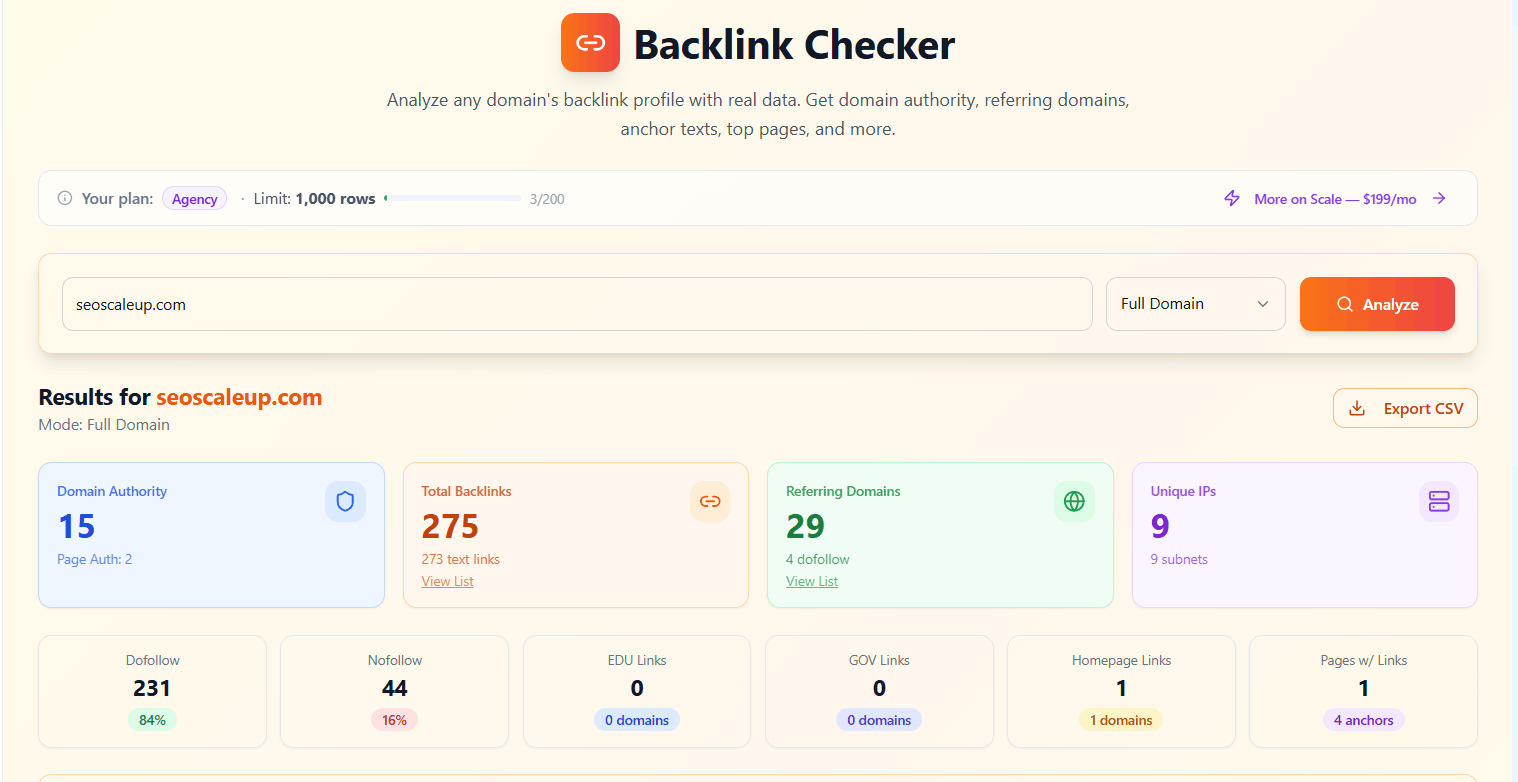
Every Tool You Need to Reclaim Lost Link Equity
Our broken backlink checker goes beyond a simple 404 list. Get 25+ data points per broken link — source authority, anchor text, redirect status, and more — so every reclamation effort is perfectly targeted.
404 & Dead Link Detection
Instantly identify every backlink pointing to a page that returns a 404, 410, 500, or other server error on your domain. Our crawler checks the live HTTP status of every linked URL in real time, ensuring the data reflects what Google sees today — not cached results from weeks ago.
Stop hemorrhaging link equity from dead pages immediatelyRedirect Chain Mapper
Redirect chains — where a backlink passes through multiple 301s before reaching its destination — hemorrhage PageRank with every hop. Our tool maps every redirect chain in your backlink profile, showing the full hop sequence and quantifying exactly how much link equity is being lost in transit before it reaches your target page.
Flatten redirect chains and recover full link equity flowSource Domain Authority Score
Not all broken backlinks are equal in recovery value. Each broken link is enriched with the domain authority, trust flow, and spam score of the linking site. This allows you to prioritize reclamation efforts on the highest-value broken links first — spending your time recovering links that will actually move the needle for your rankings.
Focus reclamation efforts on the highest-DA broken linksBroken Anchor Text Analysis
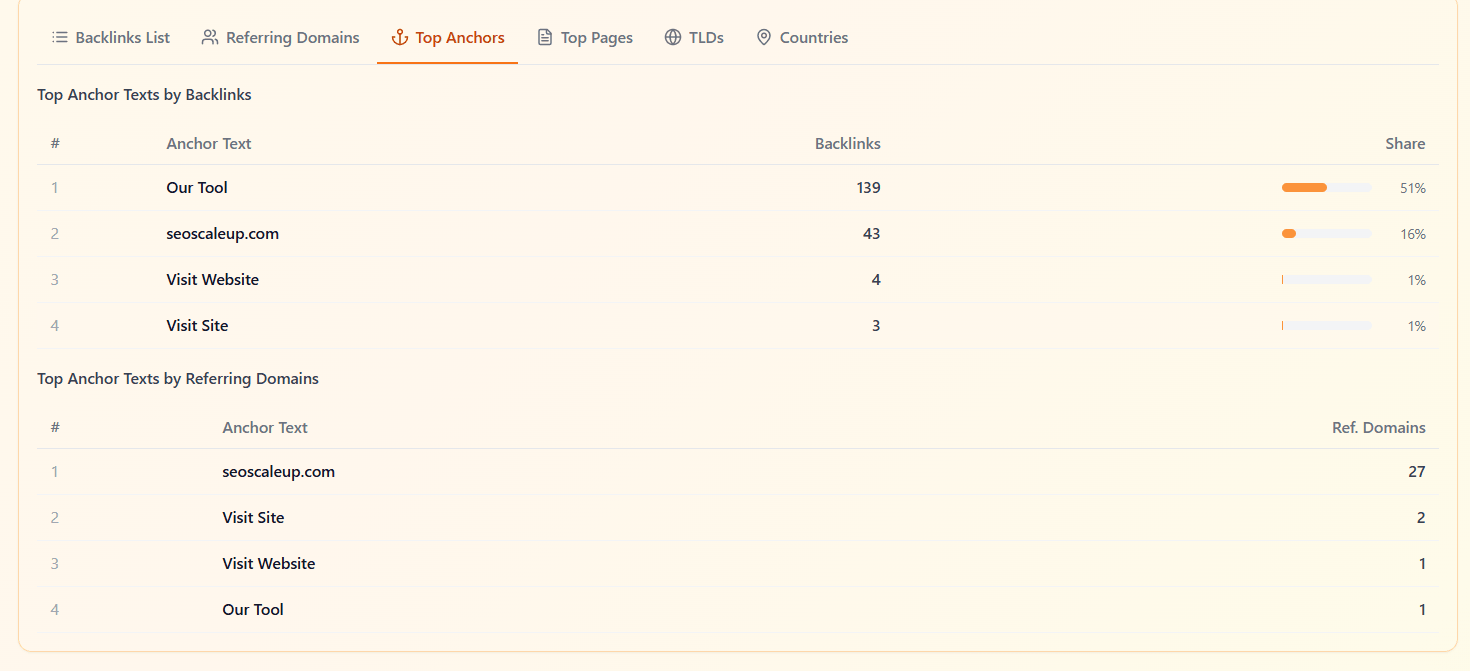
See exactly what anchor text is being used on broken inbound links. This matters enormously for link reclamation: when you contact a webmaster or implement a 301 redirect, you can ensure the replacement link preserves the original anchor text relevance. Commercially optimized broken anchors are especially valuable recovery targets.
Preserve valuable anchor text signals during link reclamationBroken Page URL Report
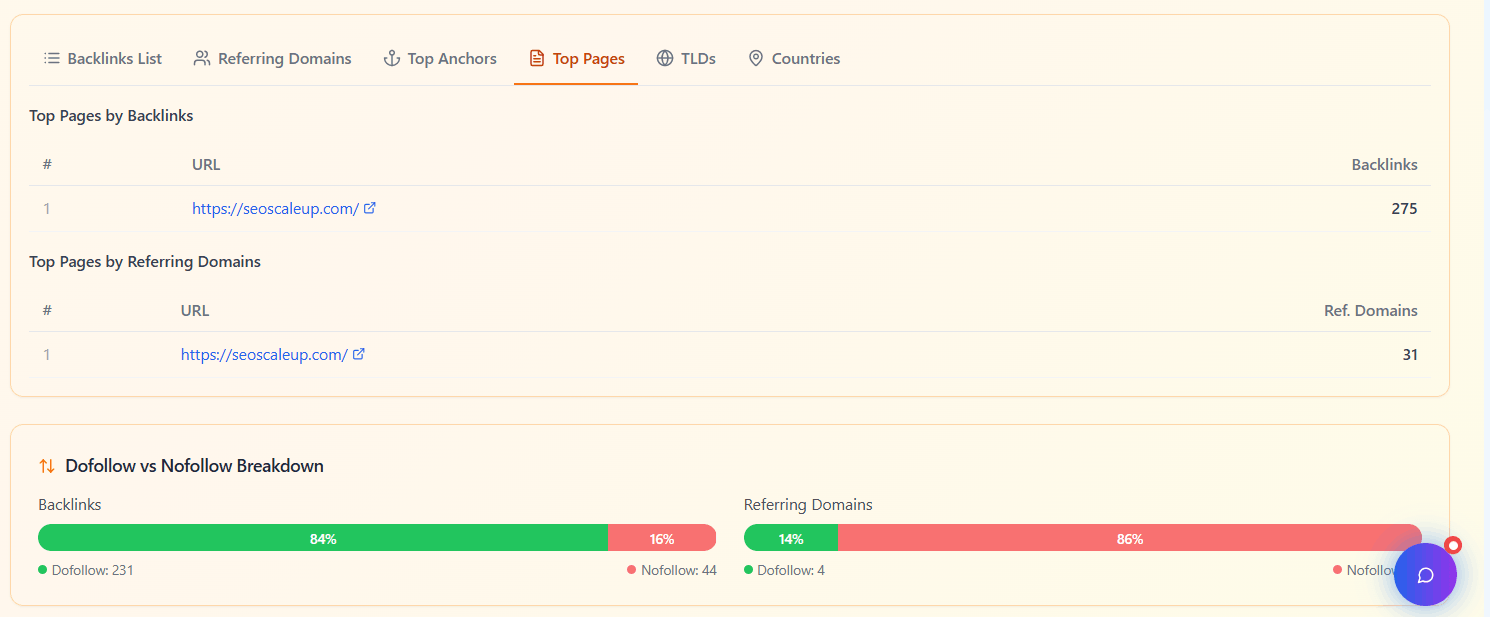
Get a complete list of every broken page URL on your domain that has active backlinks pointing to it, ranked by the number and total authority of incoming links. This is your reclamation priority list: the pages that once existed but now return errors, sorted by the SEO value you stand to recover through 301 redirects or content restoration.
Build your exact 301 redirect map from a single exportReferring Domain Breakdown
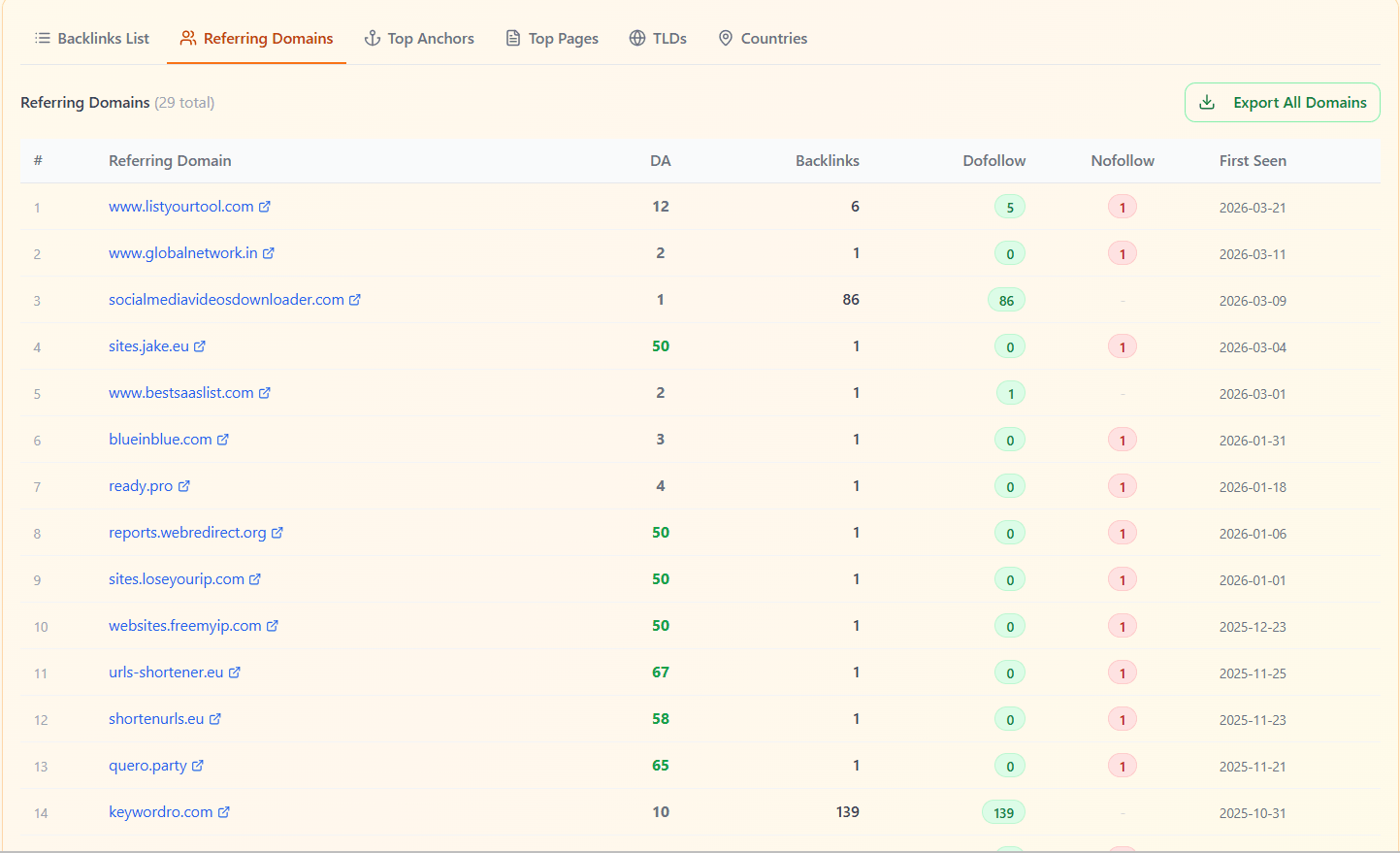
Understand which referring domains are linking to your broken pages and how many broken links each one contains. A single high-authority site linking to five dead pages on your domain is a priority reclamation target worth a personal outreach email. Our referring domain view surfaces these golden opportunities instantly.
Identify high-value outreach targets for link reclamation campaignsGeographic Origin of Broken Links
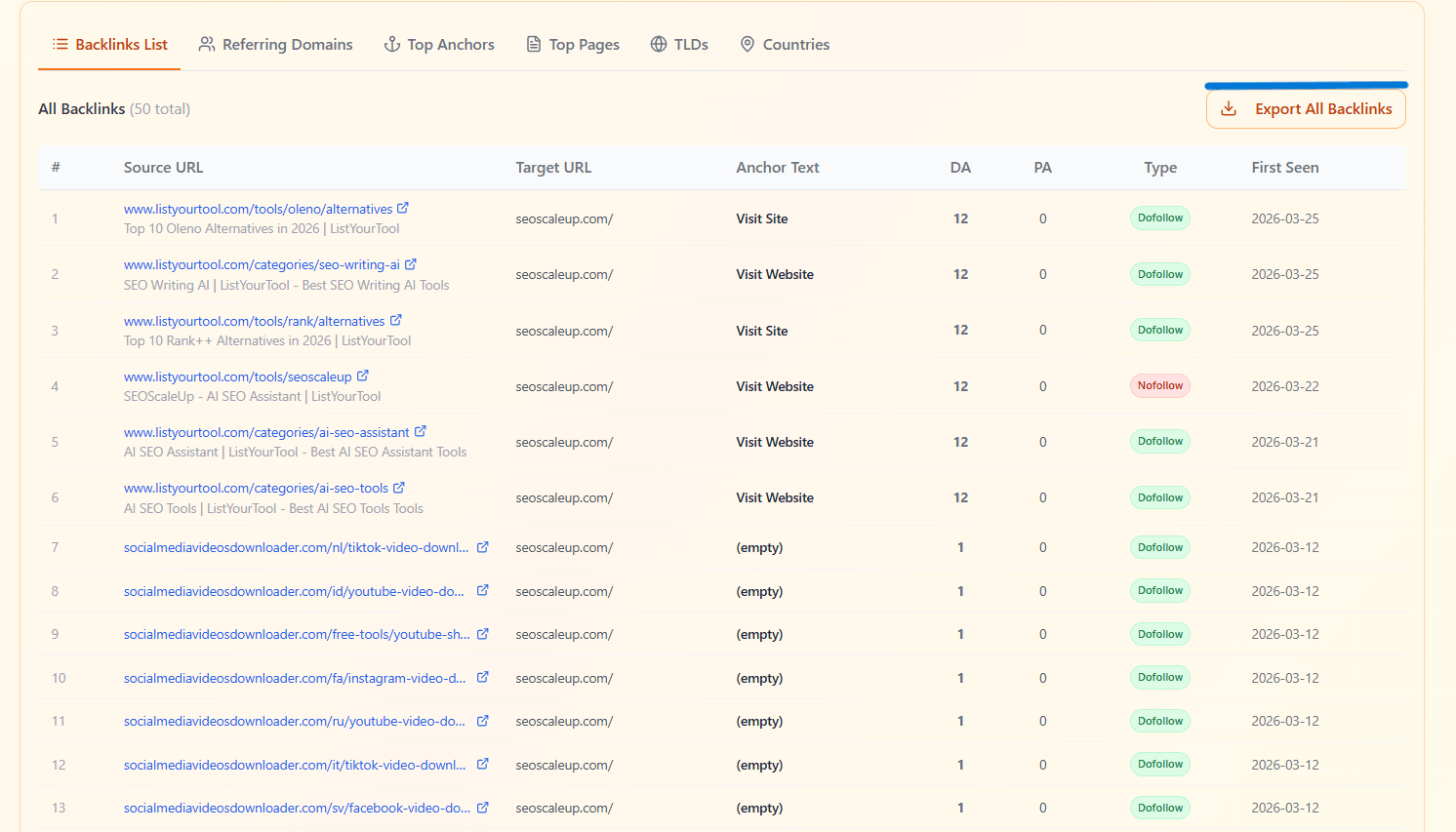
See which countries your broken backlinks originate from, broken down by link count and source domain distribution. This is particularly useful for international SEO — if key geographic markets are linking to broken pages, you can prioritize region-specific reclamation efforts and ensure hreflang-tagged pages are correctly redirected.
Protect international link equity from geographic link wasteTLD Type of Broken Link Sources
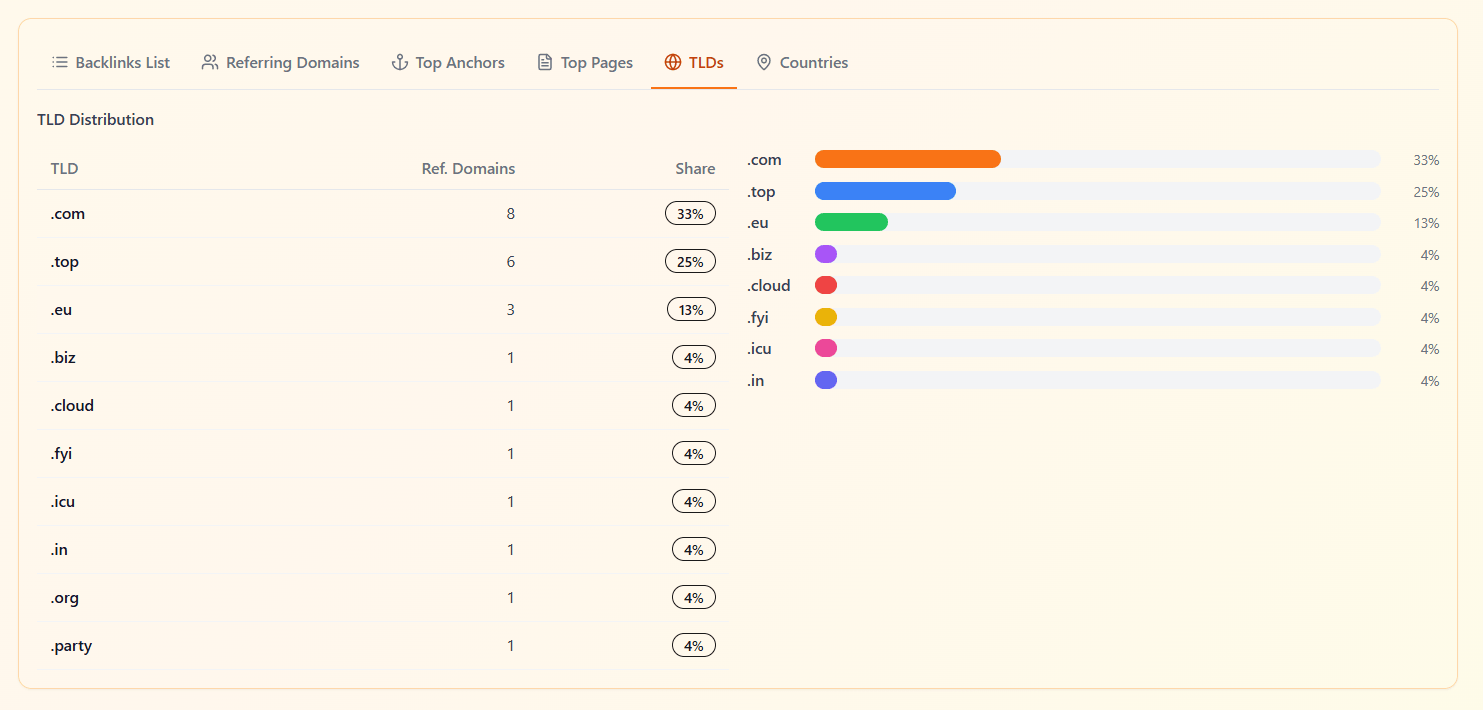
Not every broken backlink is worth recovering. Our TLD distribution view shows what types of domains (by top-level domain extension) are sending broken link traffic to your site. This helps you quickly filter out broken links from low-value .xyz or .info spam domains and focus your redirect and outreach effort on high-signal .com, .org, and country-code TLD sources.
Filter noise and focus only on high-value reclamation targetsLink Reclamation Impact Score
Our tool calculates a reclamation impact score for each broken link cluster, estimating the potential authority gain from fixing or redirecting each broken destination. This gives you a data-driven prioritization framework — so you act on the highest-ROI reclamation targets first and measure the SEO impact of each fix you implement.
Maximize authority recovery per hour of reclamation effort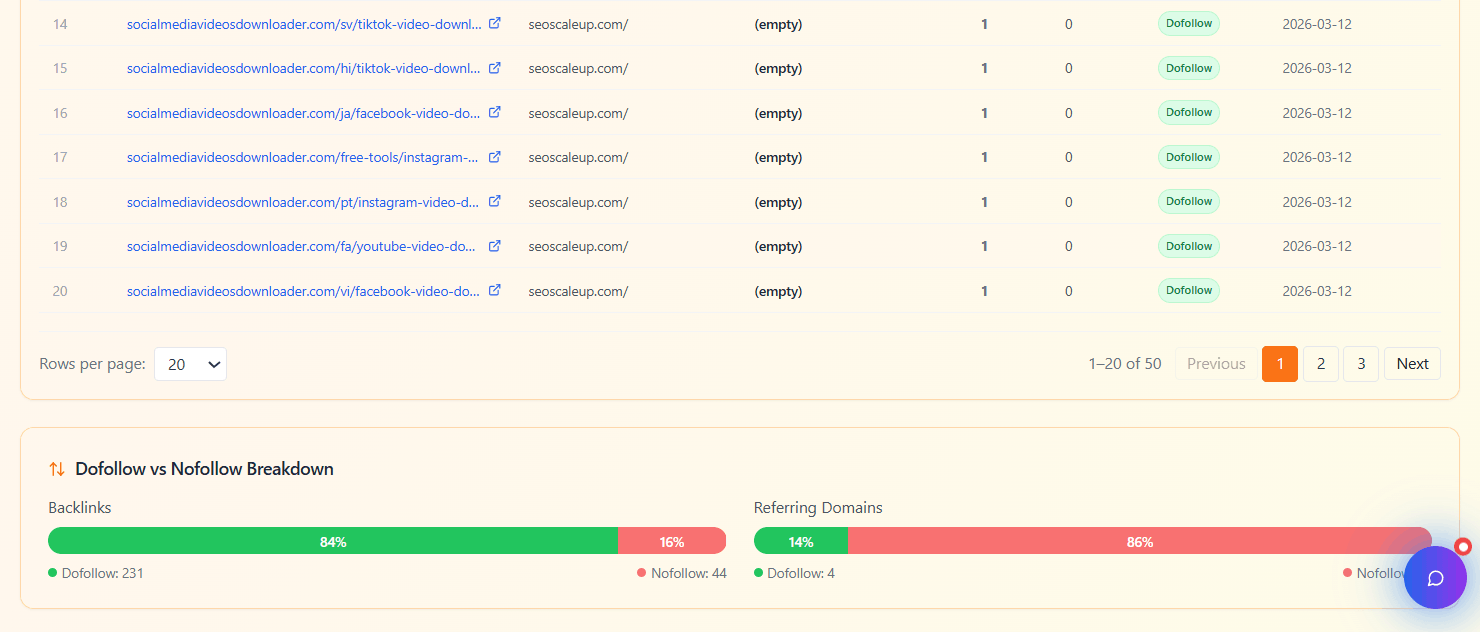
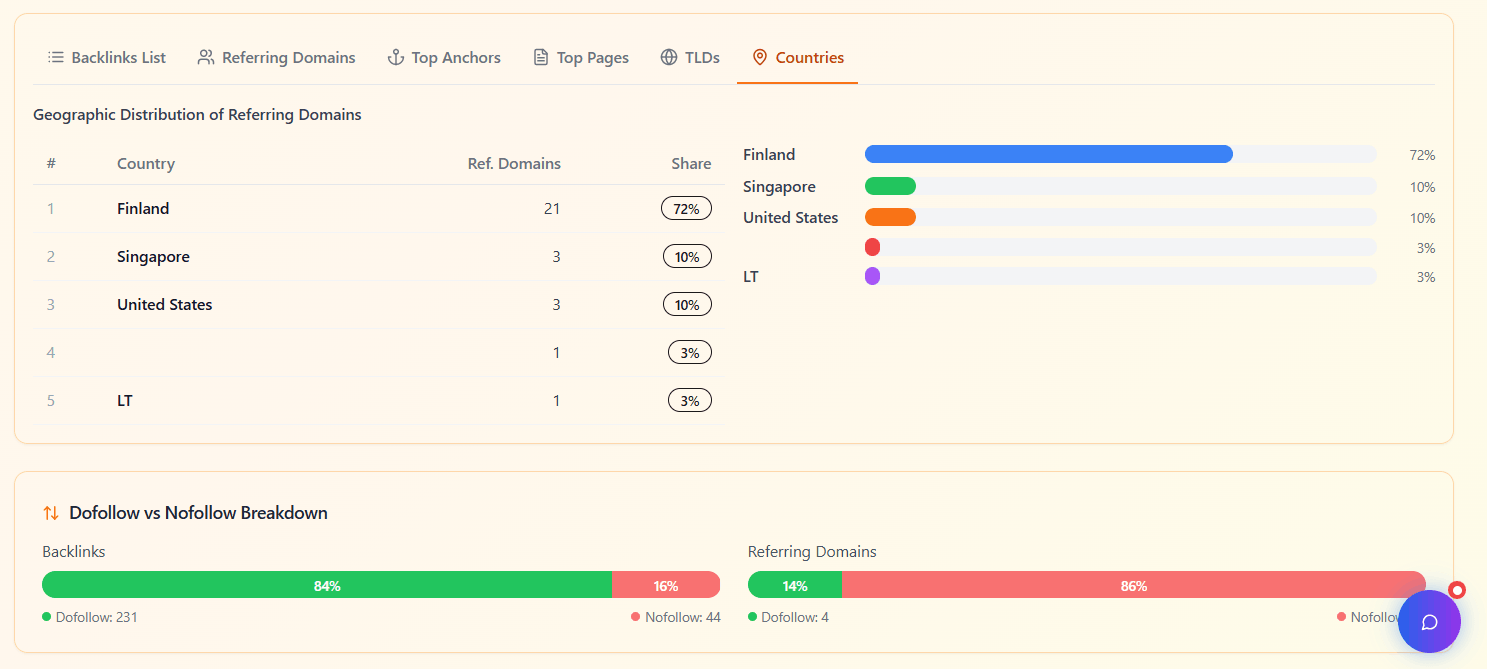
Recover Lost Link Equity in 4 Effortless Steps
From dead link discovery to full reclamation — our broken backlink checker gives you a clear, actionable path to recovering authority in under 60 seconds. No technical knowledge required.
Enter Any Domain
Paste your domain or a competitor's URL into the checker. Our tool works on any site — your own, a client's, or a competitor you want to benchmark against for link reclamation opportunities.
Live HTTP Status Check
We cross-reference 10B+ indexed backlinks and check the live HTTP status of every linked destination URL in real time. Every 404, 410, 500, and redirect chain is captured and catalogued instantly.
Prioritize by Authority
Results are enriched with source domain authority, anchor text, and reclamation impact scoring. Filter and sort to surface the highest-value broken links first — so your time goes to the reclamation opportunities with the biggest ranking payoff.
Fix, Redirect & Reclaim
Export your broken link list, implement 301 redirects for dead pages, and launch outreach campaigns to high-DA sites. Watch your recovered link equity flow directly into your rankings within weeks of acting on the data.
Reclaim Authority. Dominate Your Rankings.
Broken backlinks are invisible losses. Sites are linking to you — vouching for your authority — but that vote disappears into a 404 page. Here's how our broken backlink checker helps you turn those losses into wins:
Recover Link Equity Without Building New Links
Fixing broken backlinks is the highest-ROI activity in link building — you're not acquiring new links, you're reclaiming authority that's already been earned. A single 301 redirect can restore dozens of broken link signals instantly, often producing ranking improvements faster than any new link-building campaign.
Protect Rankings After Site Migrations
URL structure changes, domain migrations, and CMS switches are the most common causes of broken backlink catastrophes. Our tool gives you the complete picture of which backlinks broke during your migration so you can implement comprehensive 301 redirects before Google recrawls and devalues your entire historic link profile.
Outrank Competitors Through Superior Link Hygiene
Run a broken backlink audit on competitor domains to identify their dead pages receiving valuable external links. Then create better content on those topics and reach out to the linking sites — turning their loss into your competitive edge by positioning your content as the superior live replacement.
Accelerate Results from Existing Link Building
If you've invested in link building, broken destination pages mean some of those hard-earned links are already wasted. Regular broken backlink audits ensure every link you've acquired continues to pass equity to the correct pages — protecting your link-building investment and maintaining the compound ranking benefits over time.
Improve Crawl Efficiency & Core Web Vitals
Broken backlinks signal poor site health to Googlebot. A site with many dead pages receiving external links sends negative quality signals that can reduce crawl budget allocation to your most important pages. Resolving broken link destinations improves overall technical SEO health and the efficiency of every Googlebot crawl.
Who Benefits from a Broken Link Audit?
Whether you're an independent SEO consultant, a scaling agency, or a growing eCommerce brand — broken backlink data is actionable intelligence that directly impacts your ranking trajectory.
SEO Professionals
- Conduct broken backlink audits as a core deliverable in client onboarding and monthly reporting cycles
- Build 301 redirect maps from broken destination page exports and implement them in client CMS platforms
- Use competitor broken link data to identify and pitch superior content replacement opportunities
- Measure reclamation ROI by tracking authority recovery on redirected pages over time
- Combine broken link data with anchor analysis to ensure reclaimed links preserve ranking-relevant anchor text
Digital Marketing Agencies
- Deliver broken backlink reclamation reports as premium SEO audit components for retainer clients
- Identify quick-win reclamation opportunities during site migrations to protect clients' historic link equity
- Scale broken link outreach campaigns across multiple client domains without expensive enterprise tools
- Demonstrate tangible SEO wins to clients by showing rankings improvements post-reclamation
- Use broken competitor link data as a prospecting tool for new client pitches and growth projections
Bloggers & Content Creators
- Detect broken backlinks caused by changing permalinks, category restructures, or CMS migrations
- Find high-DA sites linking to your deleted or moved posts and recover that authority with quick redirects
- Discover competitor content gaps where their broken pages have strong backlinks you can target with new posts
- Audit your entire domain after switching themes or hosting providers that often silently break URL structures
- Protect affiliate income by ensuring product review posts with strong backlinks are never left as broken 404 pages
eCommerce & Business Owners
- Recover link equity lost from discontinued product pages that still have active backlinks from review sites
- Implement bulk 301 redirects from seasonal campaign pages to evergreen collection pages after promotions end
- Audit link health after platform migrations from Shopify to WooCommerce or vice versa to prevent ranking crashes
- Identify backlinks to out-of-stock or deleted product variants and redirect to the closest live alternative
- Monitor competitor product page deletions for broken link opportunities to place your competing product as the replacement target
The Proven Choice for Link Reclamation Intelligence
Other tools charge enterprise rates for broken link data that should be universally accessible. SEOScaleUp delivers comprehensive broken backlink analysis — free, instant, and more actionable than tools that cost hundreds per month.
Real-Time HTTP Status Checking
Unlike tools that rely on stale cached crawl data, our checker verifies the live HTTP status of every broken link destination in real time. You get the actual current state of your link profile — not what it looked like three months ago when the index was last refreshed.
Completely Free — No Limits Hidden
Core broken backlink analysis is permanently free with no trial expiration, no signup wall, and no feature throttling designed to force upgrades. We believe reclamation data is essential SEO hygiene that every site owner deserves access to without a monthly subscription.
10B+ Link Database, Refreshed Daily
Our continuously refreshed 10-billion-link index means you see recently acquired broken links the moment they appear — not weeks later. For fast-moving reclamation opportunities like competitor broken link building, this recency advantage is decisive for ranking outcomes.
Authority-Weighted Reclamation Scoring
Every broken link result is enriched with the authority data needed to prioritize reclamation intelligently. Domain authority, trust flow, and reclamation impact scores mean you focus on fixes that will actually improve rankings — not just reduce your 404 error count.
One-Click Export for Instant Action
Export your complete broken backlink report, filtered broken page list, or referring domain outreach targets in one click. The exported data is formatted for immediate use in your 301 redirect implementation, Google Search Console monitoring, or link reclamation outreach campaigns.
Part of a Complete SEO Platform
The broken backlink checker sits inside SEOScaleUp's suite of 50+ free SEO tools. Combine broken link data with keyword research, rank tracking, and on-page auditing to build a complete, unified picture of your site's SEO health — all without paying for multiple subscriptions.
SEOScaleUp vs. Every Alternative
How does our free broken backlink checker stack up against manual methods and expensive paid tools? See the data side by side.
| Feature | SEOScaleUp ✓ | Manual / Free Alternative | Expensive Paid Tool ($99+/mo) |
|---|---|---|---|
| Live 404 / HTTP Status Check | ✓ Real-time per link | ✗ Not available free | ✓ Available |
| Redirect Chain Detection | ✓ Full chain mapped | ✗ Not available | ✓ Available |
| Source Domain Authority Score | ✓ Per broken link | ✗ Not available | ✓ Available |
| Signup Required | ✓ None — instant access | ~ Varies by tool | ✗ Always required |
| Cost | ✓ 100% Free | ✓ Free (very limited) | ✗ $99–$499/month |
| Broken Anchor Text Data | ✓ Full anchor map | ✗ Not available | ✓ Available |
| Referring Domain Breakdown | ✓ Full domain view | ✗ Not available free | ✓ Available |
| Export for Redirect Mapping | ✓ One-click export | ✗ Manual only | ✓ Available |
| Data Freshness | ✓ Real-time + daily refresh | ~ Weeks old typically | ~ Weekly refresh |
Frequently Asked Questions About Broken Backlinks
A broken backlink is an inbound link from an external website that points to a URL on your domain that no longer returns a valid response — typically a 404 (Not Found), 410 (Gone), or 500 (Server Error) HTTP status code. Broken backlinks matter for SEO because they represent wasted link equity: the linking site is passing authority and trust signals to a destination that no longer exists, meaning Google cannot pass that PageRank benefit to your live content. Over time, accumulated broken backlinks can reduce your domain's perceived quality and crawl efficiency.
Backlinks become broken through several common scenarios. The most frequent cause is a URL change — when you restructure your site, rename categories, change permalink formats, or migrate to a new domain without setting up comprehensive 301 redirects. Other causes include deleting old content or products without redirecting the URL, CMS or platform switches that automatically alter URL structures, and removing seasonal campaign or landing pages after a promotion ends. Additionally, if someone links to a mistyped or incorrect URL of yours, that link will always be broken unless you create a redirect from that incorrect path.
Yes, though the mechanism is indirect rather than a direct penalty. Broken backlinks don't trigger a Google penalty, but they do cause measurable harm in two ways. First, the link equity from that external site never reaches your content — you're simply not getting the ranking benefit of links you've earned. Second, a high volume of broken destination pages signals poor site maintenance to Google, which can reduce crawl budget allocation and overall trust signals. For sites that have undergone migrations or URL changes, the cumulative loss of link equity from broken backlinks can represent a significant and recoverable ranking suppression.
The most effective fix depends on whether the broken destination page should still exist. If the page was moved or renamed, implement a 301 permanent redirect from the old broken URL to the most relevant live equivalent — this passes nearly full link equity to the new destination. If the page was deleted and shouldn't be recreated, redirect to the closest relevant live page (a parent category or the homepage as a last resort). For very high-value broken links, consider recreating the original content at the exact original URL. As a secondary approach, contact the webmaster of the linking site and request they update the link URL directly — this is slower but results in a clean link without redirect chain overhead.
Broken link building is a white-hat link acquisition tactic where you identify broken external links on high-authority websites, create relevant content that replaces the dead resource, and contact the webmaster to suggest your content as a live replacement. Our broken backlink checker simplifies this by letting you audit competitor domains for their broken backlinks — revealing which high-DA sites are linking to their dead pages. You then create better, live content on the same topic and pitch the webmaster. This approach works because you're solving a real problem for them (fixing a broken link on their site) while earning a high-quality backlink for yourself.
For most websites, a quarterly broken backlink audit is a good baseline practice. However, you should run an immediate audit any time you perform a site migration, change your URL structure, switch CMS platforms, rebrand your domain, delete a significant volume of content, or notice an unexplained drop in organic traffic. Sites that publish frequently and regularly update or delete content should consider monthly audits. If you run an eCommerce site with seasonal promotions that create and delete landing pages, a monthly or post-campaign audit cadence ensures broken link equity is recaptured quickly after each cycle.
Absolutely — and it's one of the most powerful applications of this tool. Enter any competitor's domain and you'll see every broken backlink pointing to their site, including the source domain, anchor text, and the authority of each linking site. This is the foundation of a broken link building campaign: identify their dead pages with the strongest backlinks, create superior live content on the same topic, and reach out to the linking sites with your better alternative. Competitors who have recently migrated or deleted old content are particularly fertile ground for this strategy.
Yes — completely free with no signup, no credit card, and no feature-locked trial. Core broken backlink detection, 404 status checking, referring domain analysis, anchor text data, country breakdown, and export functionality are all available at no cost. SEOScaleUp operates on a freemium model where the essential audit data that every site needs is permanently accessible for free. Premium tiers exist for power users who require higher daily query volumes, advanced historical tracking, and white-label reporting — but a thorough broken backlink audit for any domain requires nothing more than your URL and this free tool.
Stop Letting Dead Pages Drain Your Authority
Every broken backlink is wasted link equity. Every day you wait, more authority bleeds out. Run your free broken backlink audit now — it takes 30 seconds and could unlock the ranking recovery you've been chasing.